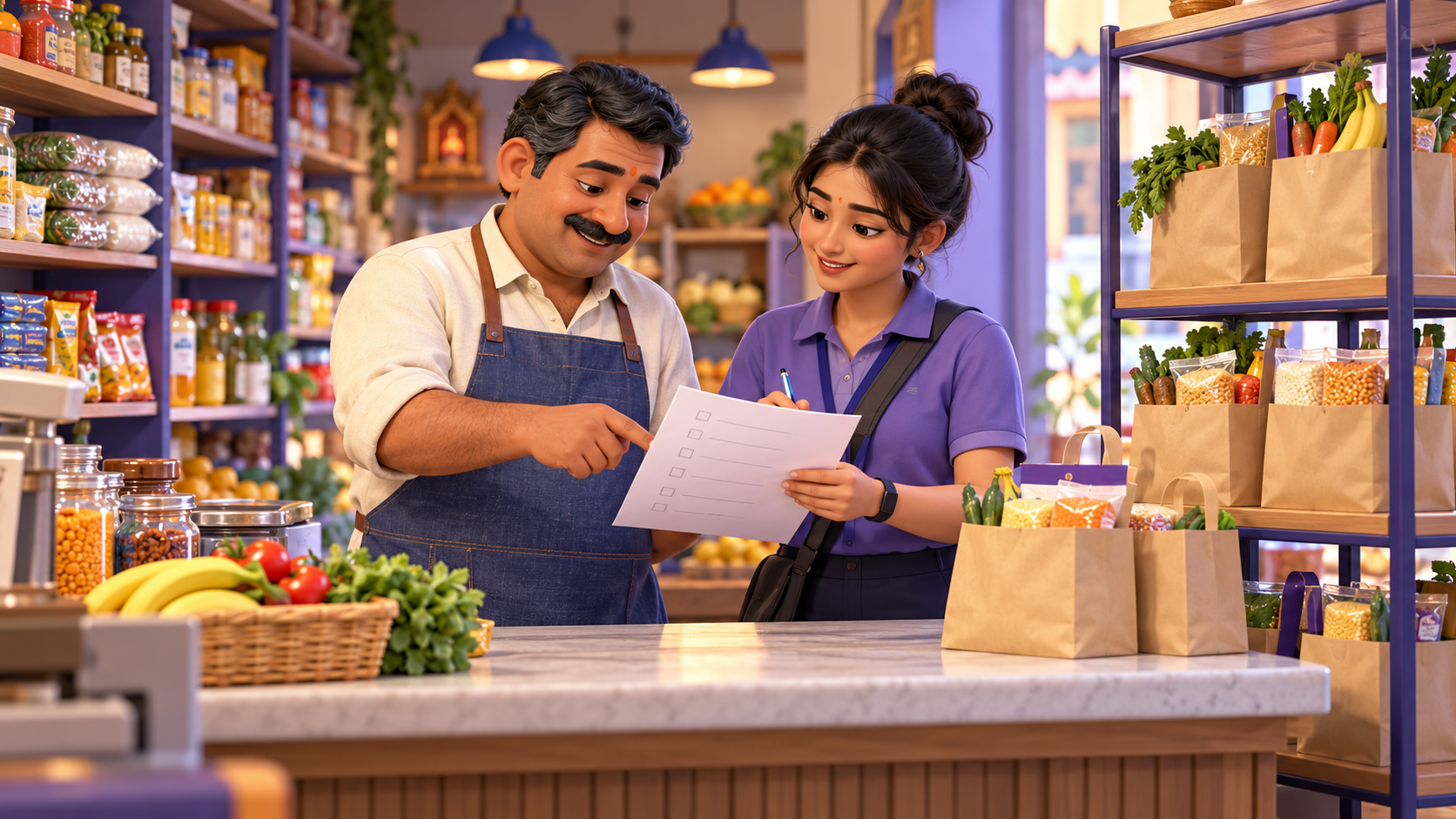
Imagine a rider reaching a shop to collect an order, only to discover that nobody behind the counter has seen it. The customer has already paid. The shopkeeper is busy serving someone else. Support is trying to understand why the order still says “preparing”.
That scene is a useful test of merchant onboarding. A signed registration form is only the beginning. The real job is making sure the people at the counter know what to do when a delivery order arrives, especially when the shop is busy.
Choose partners who can keep a promise
For your first group of merchants, look beyond the size of the catalogue. Ask who will handle incoming orders during each shift, how availability is updated, and whether the shop can prepare an order without leaving walk-in customers unattended.
A smaller shop with a clear routine may be easier to launch with than a larger one where every delivery request has to wait for the owner. Visit during the hours you intend to operate. You will learn more from watching one busy counter than from discussing an ideal day in a quiet office.
Agree on the handoff, not just the signup
Walk through an order together. Decide who confirms it, who packs it, where it waits, and how a rider identifies the right bag. Use an order reference that appears on the merchant screen and the pickup label.
Set aside a pickup spot that does not block customers or require the rider to search through unlabelled bags. If an order contains more than one bag, mark the total clearly. A pickup instruction such as “two bags, one chilled” gives the rider something specific to check.
- Order acceptance: identify the person responsible on each shift.
- Preparation: agree how the shop updates the ready-for-pickup status.
- Collection: use the order reference and bag count.
- Exceptions: give the merchant a support contact who can actually respond.
Practise the unavailable-item conversation
Grocery orders need a substitution process. Before the pilot opens, ask the merchant to explain what happens if a requested item is unavailable. Does the customer want a substitute? Who checks the alternative price? What happens if the customer cannot be reached?
Write down the sequence and make the customer’s choice visible. Do not leave a rider to negotiate a replacement at the doorstep. For food orders, rehearse a similar conversation around unavailable dishes or preparation delays, using rules appropriate to that merchant.
A useful onboarding session ends with the merchant successfully completing an awkward order, not just an easy one.
Run three orders before calling the merchant ready
Use one straightforward order, one order with an unavailable item, and one order that needs cancellation or support. These are rehearsal scenarios, not a claim that three orders can reveal every possible problem.
Watch the process from both sides. Can the shop find the order? Does the rider know where to collect it? Does support see the same status? Fix unclear instructions while everybody is together rather than sending a long explanation after the first customer complains.
Record the merchant’s operating hours, pickup location, preparation assumptions, escalation contact, and product-handling needs in one place. Confirm what happens when the usual contact is absent. A routine that depends on one person remembering everything is fragile.
Keep the first review small and useful
After the first operating week, review missed confirmations, unavailable items, pickup waiting, and customer complaints with each merchant. Ask which part of the process interrupts their normal work. An operator may see a status problem; the merchant may see a device placed too far from the counter.
Choose one improvement, give it an owner, and check it again during the next shift. The aim is a merchant network that can repeat a dependable routine, not a long list of shops that technically have accounts.
Before adding the next partner, make sure the current ones can confirm orders, pack accurately, complete the handoff, and reach support. That is the foundation your customers will experience.
Explore Delivery Stack’s merchant and delivery workflows when you are ready to put that routine into a shared system.
Leave a Reply